Low iron: causes, symptoms, and what to eat
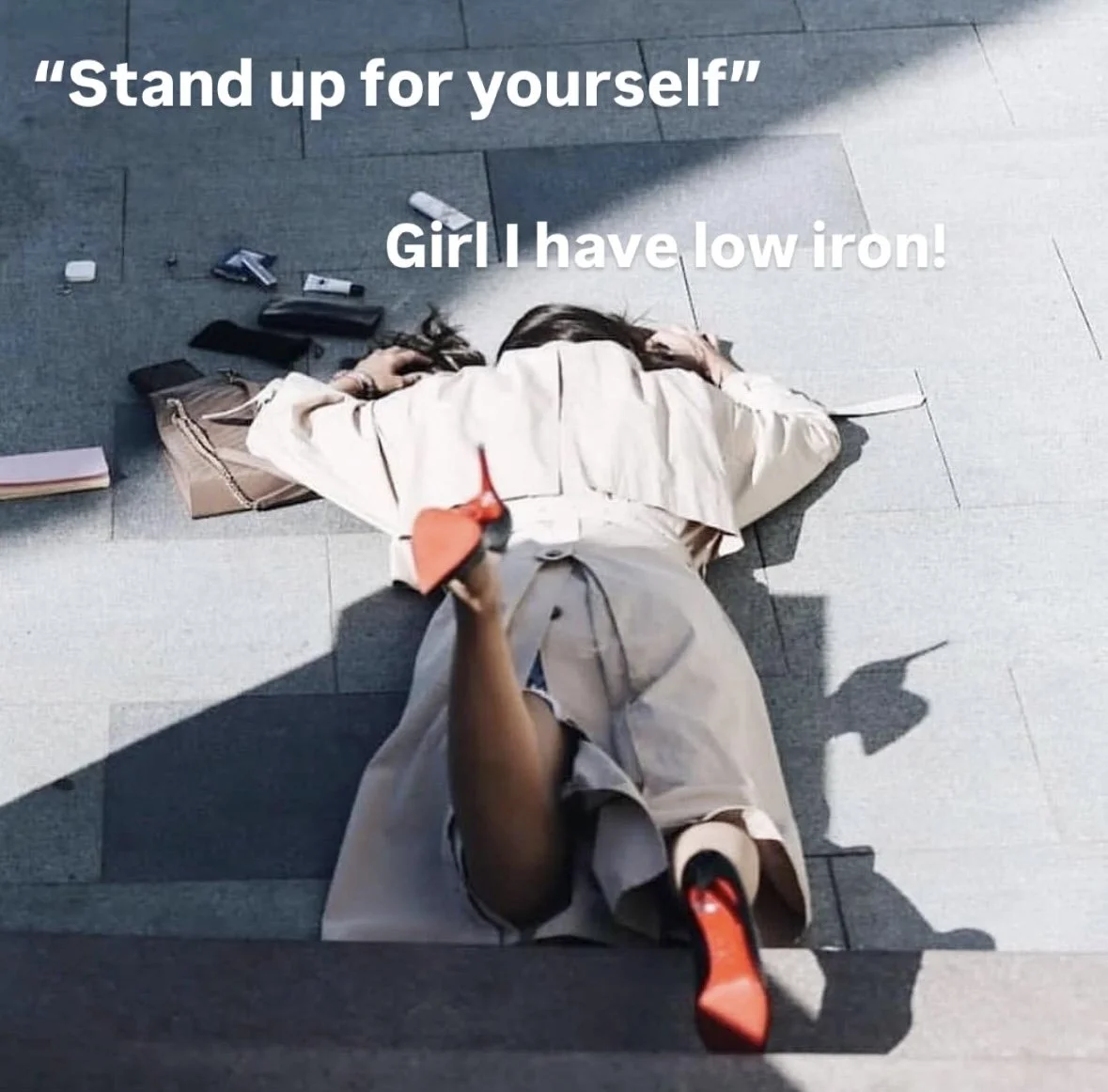
Feeling tired all the time, out of breath more easily than usual, or just generally running on empty? Low iron is one of the most common and most overlooked — reasons why.
What’s actually causing it
You're drinking too much tea or coffee around meals. Tea and coffee contain tannins, compounds that bind to iron and make it harder for our body to absorb — especially iron from plant foods. Drinking tea with our meal can block up to 60-70% of the iron we'd otherwise absorb. The fix isn't cutting tea out entirely — it's timing: have it at least an hour away from your meals.
Your diet is vegetarian (or mostly plant-based) without having given it much thought. Plant-based iron (non-heme iron) is naturally harder for your body to absorb than the iron found in meat, fish, and poultry (heme iron) — Our body absorbs around 18% of iron from a diet that includes animal foods, versus about 10% from a vegetarian one. This doesn't mean a vegetarian diet can't give you enough iron — it just means it needs more intention: pairing iron-rich plant foods with vitamin C, and not relying on the same few meals on repeat.
It's your period. Menstruation is one of the most common causes of iron deficiency, simply because of the monthly blood loss. If your periods are heavy, this effect is even more pronounced — it's worth mentioning to your doctor if you notice ongoing fatigue.
Foods that help with iron absorption
Animal sources (heme iron — more easily absorbed)
Sardines — small but genuinely one of the most iron-dense everyday foods
Organ meats (liver, etc.) — the most concentrated source of iron out there
Red meat — reliable, and easily absorbed by the body
Mussels and oysters — often overlooked, but genuinely iron-rich
Chicken and turkey (especially dark meat) — a solid everyday option
Eggs — a moderate source, but easy to add to almost any meal
Plant sources (non-heme iron — pair with vitamin C)
Lentils, chickpeas, and black or kidney beans
Spinach and other dark leafy greens (kale, broccoli)
Tofu and edamame
Pumpkin seeds
Quinoa
Dark chocolate (70%+) — a genuinely good source, not just a treat
Vitamin C to pair them with
Kiwi and orange — not iron sources themselves, but the vitamin C in them significantly boosts how much iron your body actually absorbs from the rest of your meal
Strawberries, red bell pepper, and broccoli — broccoli in particular does double duty, offering both iron and vitamin C in the same bite
A simple rule: pair your iron-rich foods with something vitamin C-rich, and keep your tea or coffee for in between meals rather than during them.
This is general information, not medical advice. If you suspect an actual iron deficiency, talk to your doctor — they can test your levels and advise what's right for you.
